
Everything You Know About MBR Has Changed
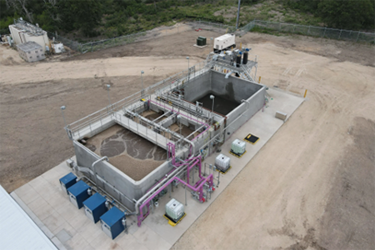
As conventional activated sludge (CAS) plants built in the 1970s and 1980s approach the end of their useful lives, wastewater utilities face rising costs to replace aging infrastructure while meeting increasingly stringent effluent requirements. Membrane bioreactors (MBRs) offer an alternative, but historical challenges and capital constraints have limited adoption. The NXT|MBR system, developed through a partnership between Veyra and CROM Corp, combines membrane treatment technology with prestressed shotcrete tank construction to reduce project costs, shorten construction timelines, and improve long-term operational economics. A completed facility was delivered for $7.6 million after a conventional CAS proposal came in at $14 million against an $8 million budget. The approach also offers a reported 40% faster construction window and a tank service life exceeding 50 years. Additional features target lifecycle expenses through automated monitoring, variable frequency drives, increased sludge concentration, and biological nutrient removal. Fine screening, flow-peaking capacity, remote engineering support, and U.S.-based spare-parts inventory are intended to strengthen process resilience and reduce supply-chain risk. Together, these design choices offer utilities another option for modernizing treatment capacity while managing capital, operating, and compliance demands.
Get unlimited access to:


Enter your credentials below to log in. Not yet a member of Water Online? Subscribe today.