
Eradicating High-Strength Nitrogen Loads Without Expanding Your Aeration Basins
By Emily Newton
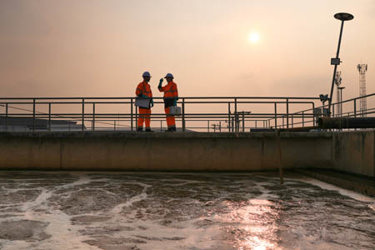
When decision-makers assess the best ways to deal with high-strength nitrogen loads in their wastewater treatment plants, an important thing for them to remember is that biological treatment methods alone typically cannot handle all of a facility’s nutrient load. That is particularly true when the sources are concentrated sidestreams, such as the centrate from sludge dewatering.
Instead, they should consider how a combination of physical-chemical extraction methods, including wastewater ammonia-stripping towers, can provide an extremely reliable, small footprint method for handling above-average loads. Then, they do not need to expand their aeration basins but can get good results in other ways. What must leaders consider when implementing these options and other possibilities to anticipate dependable results?
Understand The Plant’s Ammonia Wastewater Treatment Loads
If organic matter contains nitrogen, it releases ammonia when biodegrading. However, excessive levels of either nitrogen or ammonia cause unwanted environmental effects. Algae blooms can occur due to high nitrogen levels, and ammonia poisons fish and other wildlife while contributing to significant oxygen depletion.
Treating wastewater with nitrogen also produces nitrous oxide, a greenhouse gas with substantial global warming potential. Researchers believe the underrepresentation of nitrous oxide loads remains a notable problem. However, they also understand how everyone in communities surrounding wastewater treatment plants releases nitrogen. Some estimates put this daily figure at 12.5 grams per person. That all goes into sewage networks, partially explaining why so many wastewater plant managers continually assess effective methods for nitrogen load reduction.
Before deciding which methods to use, leaders should track statistics to determine whether their loads have increased in the short term or have remained consistent. That information will highlight the issue's urgency and clarify the most valuable options.
Know When Upgrades Make Sense
Whether leaders intend to increase the usage of wastewater ammonia-stripping towers or other options, they should survey their existing equipment and identify assets that have become unreliable, ineffective, or otherwise prohibitively costly. Those may be among the best candidates for replacement as soon as is feasible.
Although parties involved in the upgrades will primarily focus on industrial improvements, they should also remain aware of household improvements to lower a community's nitrogen loads. In one example, 14 residences in Massachusetts received onsite wastewater treatment systems fitted with wood-chip bioreactors. This change resulted in the new systems reaching their target concentration of less than 10 milligrams per liter of total nitrogen in the treated wastewater. It also lowered nitrogen loads by more than 90%, showing the effects of targeted projects.
When choosing how to allocate funds for potential equipment upgrades, decision-makers should realize that dealing with nitrogen loads effectively now reduces the likelihood of a wastewater treatment plant receiving fines. If poorly controlled nitrogen levels have adverse effects in the community, residents could come together in protest causing reputational issues for the company.
Even when upgrades require high initial costs, they often pay for themselves over time, especially if the equipment provides more uptime or allows a plant to save energy. Calculating these factors can make leaders more willing to adjust their budgets.
Learn About Trustworthy Methods
Eradicating high-strength nitrogen loads also requires following best practices and knowing how the chosen equipment works to achieve the desired outcomes. Ammonia strippers efficiently remove contaminants at a cost-effective price. They push air through untreated water supplies to evaporate harmful pollutants and gases.
Steam also moves through the packing materials, and a bottom-mounted fan pushes clean air upward. It facilitates the evaporation process, making the decontaminated water gradually accumulate at the bottom of the tower. Stripping towers also remain at a particular temperature and pH level, removing ammonia from the water supply as the strippers operate.
Specially designed tower-packing products also help users improve industrial processes by separating contaminants from the liquid stream. Some have features to resist settling while supporting high mass-transfer rates or enabling flow-through while preserving high mechanical stability.
Most of these products provide a high surface area and low bulk density. When placed in a stripping tower, they increase the overall surface area in the column, helping gas and liquids make contact. Some companies also sell packing materials for smaller-diameter towers, supporting equipment-related variations.
One research review identified more than 70,000 articles published in a decade related to the removal of nitrogen from wastewater. That quantity illustrates how this necessity is a persistent concern. Plant managers are more equipped to deal with it when they know how the available methods work and why.
They must also study the pros and cons of each method, familiarizing themselves with the advantages and shortcomings and understanding whether a chosen technique will work better in a specific environment. Knowing the average removal efficiency is also important. However, because the estimated ranges can be quite broad, decision-makers should consider running small-scale trials before increasing their investments.
Install High-Tech Monitoring Methods
Leaders who have prioritized the eradication of high-strength nitrogen loads should consider installing technologies to support that goal. For example, supervisory control and data acquisition, or SCADA, systems support operational success by providing real-time information. Some facilities even feed SCADA data into digital twins to enhance critical decision-making through dependable, relevant statistics.
Authorities get the best results by establishing baselines. They can then determine the levels they would like to reach and in which timeframes. Continually accessing system data to confirm whether improvements are occurring helps executives respond quickly and confidently to the current conditions. They may even decide to install connected sensors on particular pieces of equipment, such as wastewater ammonia-stripping towers. The data can help them see how levels change over time and justify their initial investments.
Monitoring technologies encourage leaders to track data and see how their nitrogen loads compare to those of others in the industry. In one example, an Italian wastewater treatment plant operates in an industrial center known for leather production.
Numerous upgrades enabled the facility to reduce nitrogen loads by more than 91% and achieve superior cleaning performance in other areas. The facility has operated since the 1970s, but leaders recognized the need for a substantial modernization. The results prove that their decision paid off. However, it is not always easy to see the overall improvements unless executives decide from the outset to track specific metrics and tie them to goal-setting efforts.
Quantify Nitrogen Pollution In The Operating Region
Reducing nitrogen loads in wastewater facilities is a long-term effort. Those involved can remain motivated by participating in research that explores the extent of the issue in a designated region. The associated findings may encourage affected parties to work together and find actionable solutions that impact communities and industries.
One investigation in the Gulf of California revealed that agricultural runoff accounted for more than 72% of nitrogen loads, with urban wastewater accounting for just over 12%. The researchers identified wastewater as a “strategically manageable” nitrogen source. However, they believed it would take $568 million to address current wastewater treatment gaps.
The group said wastewater facilities in rapidly growing urban centers can contribute higher nitrogen loads if their existing infrastructure underperforms or has other limitations. This issue extends beyond ammonia wastewater treatment and nitrogen loads. Still, it underscores the need for those in industries characterized by high nitrogen loads to advocate for the necessary investment in infrastructure improvements. This issue is not solely tied to wastewater, so collaboration with professionals across multiple industries could raise awareness of the matter and stimulate the necessary enhancements.
Follow Best Practices And Track Data
Whether authorities install wastewater ammonia-stripping towers, learn about new tower-packing media or invest in connected monitoring equipment, they should prioritize well-established options while simultaneously being transparent about what they want to accomplish and the steps they will take to succeed. That approach maximizes their efforts and helps them verify when progress happens.
 Emily Newton is an industrial journalist. She regularly covers stories for the utilities and energy sectors. Newton is also editor-in-chief of Revolutionized (revolutionized.com).