
Electric Actuator Design: What The Spec Sheet Doesn't Tell You
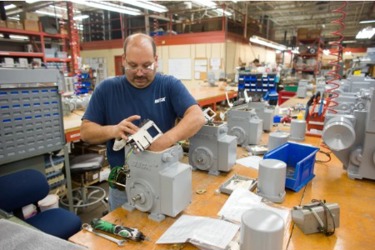
Water treatment facilities, steel mills and manufacturing plants once expected electric actuators to run at least five years without trouble. Maintenance teams are now asked to accept shorter service lives, obsolete parts and costly aftermarket service as ordinary costs of electric actuation. That shift deserves scrutiny.
Two actuators can satisfy the same torque and enclosure requirements and still have very different lifespans. A spec sheet records whether a unit meets the functional requirement. It says far less about what the design demands of a plant afterward: heat, wear, lubrication, protective hardware, and routine tasks that thinly staffed crews may never get to.
The argument comes from a manufacturer's point of view, and it presses on an uncomfortable question. Is recurring maintenance a technical necessity, or a consequence of design and business model choices? Supplier structure shapes the service a plant receives, and no single design suits every application.
For anyone weighing actuator options for a new installation or a retrofit, the comparison rewards a closer look. Get the full argument in the article.
Get unlimited access to:


Enter your credentials below to log in. Not yet a member of Water Online? Subscribe today.