
1,4-Dioxane And Advanced Oxidation: Designing Treatment Systems Around Radical Chemistry
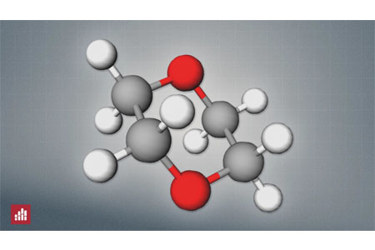
1,4-dioxane is one of the most difficult contaminants to remove from groundwater and drinking water supplies. Highly soluble, chemically stable, and resistant to many conventional treatment methods, it often passes through processes such as activated carbon adsorption, air stripping, and standard filtration with limited effectiveness.
As regulatory scrutiny increases, utilities and treatment professionals are turning to advanced oxidation processes (AOPs) as a more effective strategy for addressing this persistent contaminant. Rather than simply separating 1,4-dioxane from water, AOP technologies are designed to destroy it through the generation of highly reactive hydroxyl radicals.
This article explores why 1,4-dioxane presents unique treatment challenges and examines the role ozone can play within advanced oxidation systems. While direct ozone oxidation alone may not provide optimal treatment performance, ozone-based AOP configurations can generate powerful hydroxyl radicals capable of breaking down contaminants that resist conventional treatment approaches.
The discussion highlights key factors that influence treatment effectiveness, including total organic carbon, alkalinity, pH, UV transmittance, co-contaminants, and radical scavenging effects. It also outlines important design considerations for selecting and optimizing ozone-based AOP systems, from water quality characterization and treatment target development to radical generation, contact time, and post-treatment polishing.
For facilities managing complex groundwater or reuse applications, ozone-based advanced oxidation can provide benefits beyond 1,4-dioxane removal, including oxidation of co-contaminants, biological filtration enhancement, taste and odor control, and improved overall treatment resilience.
Understanding the chemistry behind radical generation is essential for designing systems that deliver reliable, measurable contaminant destruction while supporting long-term treatment objectives.
Get unlimited access to:




Enter your credentials below to log in. Not yet a member of Water Online? Subscribe today.