
Data Centers, Water Reuse, And Ozone: Engineering Treatment Systems For The AI Infrastructure Boom
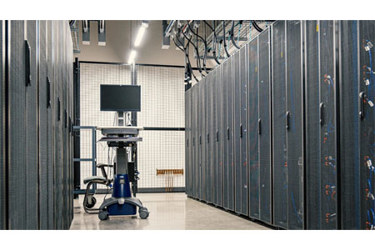
As artificial intelligence infrastructure expands, data centers are becoming major consumers of both energy and water. With growing concerns about freshwater availability and sustainability, water reuse is emerging as a critical component of future data center design. Recent policy initiatives and regulatory guidance are accelerating interest in onsite recycling systems and the use of reclaimed water for cooling applications.
However, reuse water presents unique treatment challenges. Sources such as municipal reclaimed water, graywater, stormwater, and industrial wastewater can contain dissolved organics, ammonia, biological contaminants, metals, odor compounds, and scaling minerals that threaten cooling system reliability and performance.
This article examines how ozone can serve as a key treatment technology within advanced data center water reuse systems. Ozone supports microbial and biofilm control, reduces biological growth potential, oxidizes organics that contribute to fouling and odor, and converts dissolved iron and manganese into filterable solids. These capabilities help create more stable and predictable cooling water quality while reducing dependence on traditional chemical treatment programs.
The discussion also explores critical engineering considerations including ozone dose optimization, mass transfer efficiency, contact time requirements, instrumentation, materials compatibility, and integration with downstream filtration and polishing technologies. Effective reuse systems require more than chemical addition—they demand a carefully engineered treatment train designed around source water variability and operational reliability.
As water reuse becomes increasingly important to support AI-driven infrastructure growth, treatment technologies must deliver both performance and resilience. Ozone-based systems offer a versatile approach for helping data centers reduce freshwater demand, improve cooling water quality, and support long-term sustainability goals while maintaining the reliability required by mission-critical operations.
Get unlimited access to:




Enter your credentials below to log in. Not yet a member of Water Online? Subscribe today.