
Danville Lift Station Remains Clog-Free 1 Year After Pump Installation
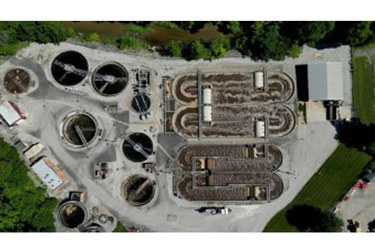
Clogging is one of the most persistent and costly challenges in municipal wastewater operations, particularly in high-demand lift stations handling diverse and debris-laden waste streams. At the Town of Danville’s largest lift station, frequent clogs from hospital, jail, and residential waste created a cycle of emergency maintenance, rising labor costs, and operational risk.
Pumps required manual cleaning every three to four weeks, with staff responding to after-hours callouts and performing daily debris removal. Beyond the financial burden, these conditions exposed operators to biohazards and diverted resources from essential preventive maintenance.
The introduction of a next-generation submersible pump transformed system performance. Designed with a semi-open stainless steel impeller and self-cleaning cutter plate, the pump effectively handled challenging solids without clogging. Over a 369-day period, it achieved zero clogs while processing more than 58 million gallons of effluent and operating for over 1,200 hours.
The impact extended beyond reliability. Maintenance demands dropped significantly, eliminating routine pump pullouts and wet well cleanings. The cleaner system environment reduced debris accumulation and improved overall operational efficiency, allowing staff to focus on broader system improvements.
This case demonstrates how advanced pump design can deliver measurable value—reducing downtime, lowering costs, and improving safety—while ensuring consistent, high-performance wastewater management in even the most demanding applications.
Get unlimited access to:




Enter your credentials below to log in. Not yet a member of Water Online? Subscribe today.