|
|
|
|
Keeping pace with changing industrial wastewater treatment demands can raise multiple issues of oxygen demand, capital cost, and operating expense, often without the flexibility of taking basins out of service to upgrade to new levels of performance. Fortunately, there are alternatives for delivering more oxygen to treat more water.
|
|
|
|
|
In the past, many engineers designing wastewater treatment systems have strived to keep aeration tanks around 20’ deep or less due to limitations of aeration equipment. However, technological advancements have overcome past concerns, making deep aeration tanks an ideal solution for select wastewater applications.
|
|
|
|
|
Even the most careful engineer can overlook something that can impede oxygen transfer, including substances used during production, maintenance, and other stages of wastewater treatment. Failing to take these factors into account can cause the treatment systems to underperform and incur unexpected costs.
|
|
|
|
|
Jet aeration succeeds in many of the areas where diffusers fall short. By leveraging a high-velocity liquid stream combined with air injection, jet aeration systems offer superior oxygen transfer and enhanced mixing capabilities, which improves treatment efficiency and overcomes operational hurdles.
|
|
|
|
|
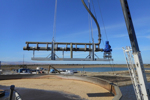
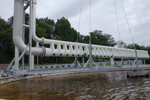
For many processing plants, shutting down a basin to install equipment for additional capacity — resulting in costly aeration tank downtime — is not a feasible option. Learn how skid-mounted aeration systems can be a useful solution for many problems that occur throughout the wastewater treatment process.
|
|
|