
Baltimore's Multi-Million Dollar Sewage Struggle
Baltimore’s ongoing struggle to overhaul its aging wastewater infrastructure is proving more complicated than originally expected. A report from the Department of Public Works indicates that fulfilling the city’s federal environmental mandates will require an additional $674 million and an extension until 2046.
At the center of this controversy is the city’s relationship with Synagro, the private contractor responsible for processing sewage sludge at the Back River and Patapsco wastewater treatment plants. Last August, Synagro stopped processing the sludge. As a result, “processing that typically costs Baltimore about $3 million a month has ballooned to $5.6 million,” according to Department of Public Works Director Matthew Garbark.
The financial burden has presented a difficult challenge. Sewer upgrades are largely funded through water and sewer bills, raising concerns about affordability for Baltimore residents already facing rising utility costs.
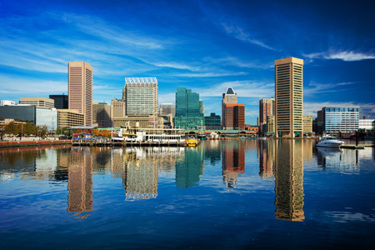
The city argues that while it expects to have eliminated 94% of historical wastewater overflows by the end of this decade, the final stretch of the project is the most challenging. If the city cannot efficiently process the solids left over after treating wastewater, the entire system suffers, leading to the overflows that continue to contaminate the Inner Harbor and local waterways.
As city officials weigh the next phase of improvements, Baltimore’s experience underscores a broader reality confronting many U.S. cities: modernizing aging water infrastructure is essential for protecting waterways and public health — but doing so can require enormous investments and long timelines.