
Antero Reservoir Will Close To Recreation In 2026 For Drought Response
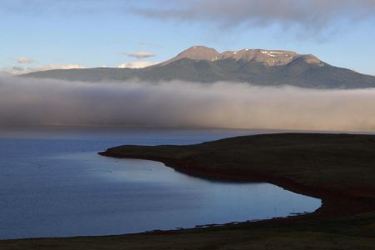
Water from the Park County reservoir will be moved to maximize efficiency during ongoing drought.
By TAP Staff
In the coming weeks, Denver Water will begin moving water from Antero Reservoir to Cheesman Reservoir, as part of the utility's drought response.
Antero Reservoir has the highest ratio of evaporation to storage of any of Denver Water’s reservoirs, and moving the water to Cheesman Reservoir will prevent about 5,000 acre-feet of water (about 25% of the reservoir’s storage capacity) from evaporating. One acre-foot of water equals the annual water use of about three to four single-family households a year.
“A lot of forethought and planning went into our collection system and reservoirs,” said Nathan Elder, manager of water supply for Denver Water. “Antero is a drought reservoir, designed to provide water to our customers during a severe drought. Consolidating this water into Cheesman will help us make the most of the water we have.”
Denver Water is working closely with Colorado Parks and Wildlife to minimize the loss of fish during this process and to allow the public to use the reservoir for a brief period before it eventually closes. Following the fish relocation process, there will be no recreation, including camping, allowed at Antero Reservoir in 2026. More details about this plan will be announced when it is finalized.
The decision also allows Denver Water to use more water from its South Platte River Basin supplies, reducing the need to pull as much water from sources west of the Continental Divide, which are also below normal levels following an abysmal snowpack and runoff season.
In a standard year, the water lost to evaporation is recovered by the next runoff season. Because of the historically low snowpack levels in 2026, the water lost this year would not have been recovered.
Drought conditions will determine when the reservoir can be refilled. The reservoir was also drained to assist with water management during the 2002 drought. There were plans to drain the reservoir as a drought response in 2013, though a series of late-season snowstorms allowed Denver Water to continue storing water in the reservoir. The last time Antero Reservoir was emptied was in 2015 for a dam rehabilitation project.
Source: Denver Water