
A Smarter Path For Small Wastewater Systems
By Dave Dubey, Director of Product Management, Xylem
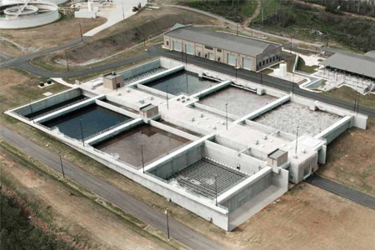
Over 90% of U.S. wastewater facilities serve populations under 10,000, many operating with infrastructure designed decades ago for vastly different economic and regulatory landscapes. For these communities, the prospect of full plant replacement often leads to "analysis paralysis" due to limited tax revenue and borrowing capacity. Instead of waiting for catastrophic failure, a more sustainable path lies in targeted modernization. By identifying and resolving the specific constraints that force a system to its limits—such as hydraulic variability during storm events—facilities can stabilize operations without the massive footprint of traditional expansion.
Focusing on process configuration rather than simply adding concrete structures allows small utilities to manage peak flows effectively while reducing long-term maintenance liabilities and energy consumption. This phased approach creates the financial breathing room necessary for future planning. Discover how disciplined engineering and sequenced capital decisions can deliver regulatory compliance and operational simplicity by reading the full article.
Get unlimited access to:




Enter your credentials below to log in. Not yet a member of Water Online? Subscribe today.