
RESILIENCY RESOURCES
-

Managed services can help water utilities control digital complexity, address cybersecurity and obsolescence risks, and turn connected infrastructure data into actionable operational insights.
-
 After The Fire: What The 2026 Wildfires And El Niño Could Mean For U.S. Lakes And Reservoirs In 2027
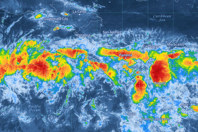
In July, smoke from Canadian wildfires spread across the upper Midwest and Northeast. Now a strengthening El Niño is set to influence the coming winter. Both events matter to lake and reservoir managers because their effects on water quality will continue to emerge long after the skies clear or the El Niño passes.
-

Incremental digitalization can help wastewater teams reduce field workloads, improve system visibility, respond to disruptions, and modernize legacy infrastructure without a wholesale technology overhaul.
-
 Growing connectivity, new regulations, and long-term operational requirements are pushing cybersecurity decisions into the earliest stages of industrial project design.
 -
 Water-stress screening can identify where an infrastructure asset deserves closer attention. Assessing resilience requires further steps: understanding the asset’s water profile, the reliability and security of its supply, the pressure it places on local resources, and whether adaptation can keep it operational and economically viable over time.
 -

On July 10, I published an article warning that water and wastewater utilities had become prime targets for state-sponsored cyber actors, describing how attackers exploit internet-exposed PLCs, how the IT/OT divide leaves organizations vulnerable, and why the sector needed to act before an incident forced their hand. Today, that scenario is no longer hypothetical.
-
 At the start of 2026, Kevin Westerling and I laid out a compelling roadmap on The Water Online Show, highlighting the trends we believed would shape the water and wastewater industry. Now, halfway through the year, I wanted to take a step back and evaluate how those predictions are playing out in the real world.
 -
 Water and wastewater utilities have become attractive targets for cybercriminals and state-sponsored actors. CISA has repeatedly warned that drinking water and wastewater systems are vulnerable because they often lack the resources and technical capacity to adopt rigorous cybersecurity practices. The question is no longer whether your utility will face a cyber incident, but when — and whether you will be ready.
 -
 For vulnerable communities, the cost of infrastructure fragility is not just financial; it is existential. By shifting our focus from "smart water" to "resilient water," we can use AI to build a social safety net that protects both our infrastructure and the communities that depend on it.
 -
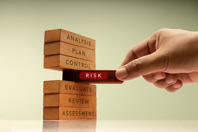
 From rapidly evolving cyber threats and extreme weather patterns to regulatory pressures and emerging contaminants, modern water and wastewater utilities are facing an unprecedented era of growing risks. To navigate these challenges, forward-thinking organizations are adopting structured risk assessment frameworks that support long-term resilience rather than reactive emergency response.







RESILIENCY VIDEOS

Tune into the latest episode of The Water Online Show: On Location to check in with Travis Kennedy and Angela Godwin as they walk the show floor at WEFTEC 2026.