
Drinking Water Treatment - Coquitlam Water Treatment Plant, British Columbia
Metro Vancouver, located in the lower mainland of British Columbia is home to nearly 2.3 million people, making it the third largest city in Canada.
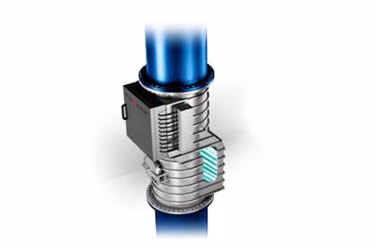
Metro Vancouver draws water from three different sources: the Seymour, Capilano, and Coquitlam Reservoirs. The Greater Vancouver Water District owns and operates the Coquitlam Water Treatment Plant (WTP), which has a rated treatment capacity of 1,200 million litres (317 million gallons) of drinking water per day. The watershed for the Coquitlam Reservoir is protected and therefore, filtration is not required at the Coquitlam WTP. However, in 2005, in response to changes to the Canadian Drinking Water Quality guidelines, the Greater Vancouver Water District Board approved a proposal to upgrade the Coquitlam WTP with UV treatment technology to act as the primary means of disinfection. Engineers evaluated the existing treatment train of ozone/chlorine for inactivation and soda ash for corrosion control. After review, it was decided that UV treatment was needed to provide sufficient multi-barrier protection to ensure the residents of Metro Vancouver were receiving the safest and highest quality water possible.
Get unlimited access to:




Enter your credentials below to log in. Not yet a member of Water Online? Subscribe today.