
Bioaugmentation Treats Cold Weather Problems

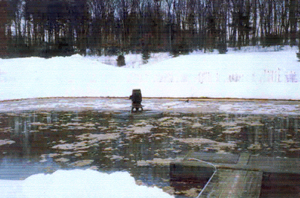 Bethlehem, PA -- The ability of a wastewater treatment plant to nitrify ammonia-containing wastes can be adversely affected by cold weather. In one mid-Atlantic state a 3 MGD municipal treatment plant receiving high volumes of industrial and food processing wastes began to exceed 3 mg/1 nitrogen content permit limits when lagoon temperatures fell to as low as 10 degrees C. Addition of MICROCAT-XNL, a blend of ammonia-oxidizing bacterial strains, plus pH control with soda ash, improved removal rates to 83 percent, compared to 51 and 43 percent during previous winters. Ammonia-nitrogen levels in effluent averaged 2.85 mg/l during bioaugmentation, while influent levels averaged 17.4 mg/1.
Another system in Massachusetts has begun using bioaugmentation to reduce filamentous infestations during cold weather. The small plant had been using chlorine routinely when it was hit by a shock load from an unknown source and almost wiped out. Treatment with MICROCAT-XF filament degrader, a combination of microorganisms, enzymes and biodegradable surfactants destabilized the filamentous bacteria and allowed them to be replaced by a healthy biomass.
According to supplier Bioscience, Inc., bioaugmentation with appropriate microorganisms can provide insurance against cold-weather sluggishness and possible permit violations.
Even wastewater plants in the Sun Belt often experience operating problems due to lower water temperatures in the fall and winter months. These problems can include poor BOD and solids removal, infestation with filamentous organisms or exceeding permit requirements for compounds on the EPA's restricted list. All can be traced back to "hibernation" of the biomass, whose biological activity and ability to digest the compounds in the wastewater decrease with the decreasing temperatures. At the same time, resistance of the biomass to toxic or inhibitory materials also diminishes. Unwanted microorganisms, such as filamentous bacteria, may move in to fill the gaps left by the inactivity of more beneficial forms and cause settling problems.
Experience has shown that these obstacles can be overcome by bioaugmentation with microorganisms selected and adapted for activity in cold water, and by adding strains "targeted" toward the degradation of compounds, such as hydrocarbons, that may overload the plant during the winter months. Some municipal treatment systems may even be poisoned with ethylene glycol (antifreeze), a problem that has been treated through the addition of MICROCAT-XR hydrocarbon degrading formula.
Detailed product case studies are available from Bioscience, Inc. at http://www.bioxcienceinc.com.
Source: Bioscience, Inc.